
Build Confidence with Money: The Importance of Financial Literacy

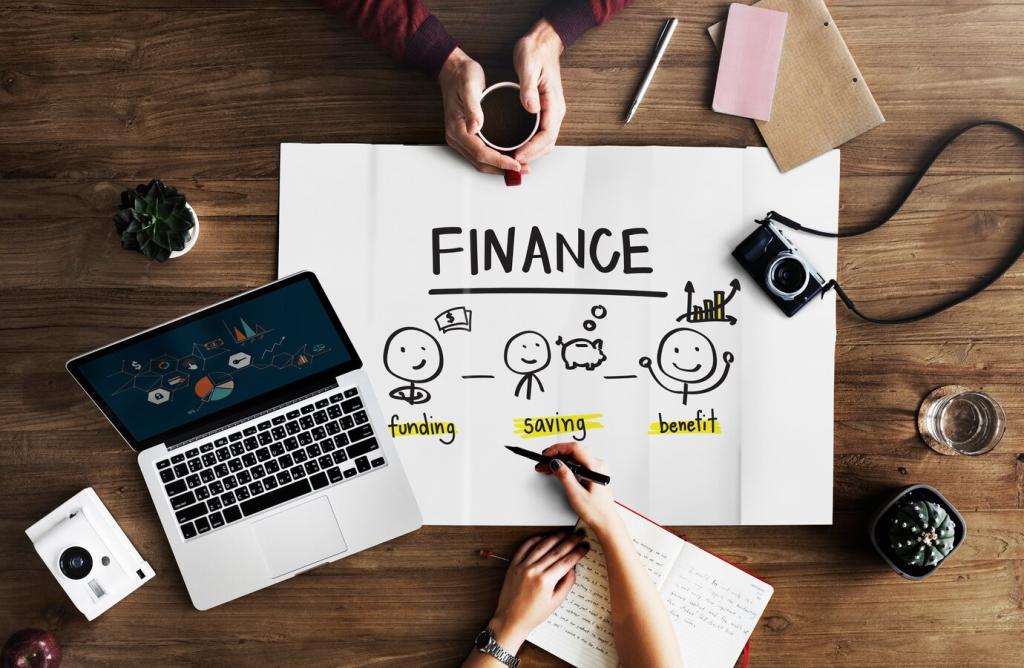
Today’s chosen theme: The Importance of Financial Literacy. Discover relatable stories, practical steps, and encouraging tools to make smarter choices, reduce stress, and grow lasting financial well-being. Subscribe and join our community learning journey.

What Financial Literacy Really Means and Why It Changes Lives

Financial literacy is the ability to understand, organize, and act on money matters—budgeting, saving, debt, credit, and investing—so your choices consistently support your goals. It’s knowledge, habits, and confidence working together every single day.

What Financial Literacy Really Means and Why It Changes Lives

When you understand your finances, fear becomes clarity and control. Bills feel predictable, decisions feel calmer, and goals feel reachable. Financial literacy turns money from a mysterious stressor into a tool you can master with practice.


Choose a Method That Fits You

Try zero-based budgeting for total clarity, the 50/30/20 rule for simplicity, or envelope and category tracking for more control. Pick one method, track a week, and notice how awareness alone improves your financial literacy immediately.

Maya’s Turnaround Story

Maya felt buried by random expenses until she wrote every transaction for thirty days. Seeing the patterns, she adjusted subscriptions, meal planned, and automated savings. Within months, her budget reflected her values—and her stress dropped dramatically.

Make It Stick with Small Rituals

Set a weekly money date: review transactions, categorize spending, and celebrate one win. Keep it friendly—tea, music, and fifteen minutes. Subscribe for our checklist to build consistent budgeting habits that grow your financial literacy over time.

Debt and Credit: Using Borrowed Money Without Losing Sleep

Financial literacy helps you see how compounding interest on high-rate debt can quietly grow. Compare APRs, prioritize the highest rates first, and avoid only paying minimums. Even small extra payments can meaningfully reduce costs and accelerate freedom.

Debt and Credit: Using Borrowed Money Without Losing Sleep

On-time payments and low credit utilization matter most. Length of history, account mix, and hard inquiries play supporting roles. Monitor your report, set reminders, and keep balances modest. These simple habits steadily strengthen credit and financial confidence.

Saving That Protects You: Emergency Funds and Purposeful Goals

Aim for three to six months of essentials, stored in a separate, accessible account. If that feels huge, begin with fifty dollars, then automate small transfers. Financial literacy thrives on momentum, not perfection, and consistency beats intensity.

Saving That Protects You: Emergency Funds and Purposeful Goals

Annual insurance, car maintenance, holidays, and dental visits aren’t emergencies when planned. Create labeled buckets, add modest monthly amounts, and replace panic with readiness. Tell us your first sinking fund target, and inspire someone starting today.

Investing Basics: Let Time and Compounding Work for You

Why Starting Early Beats Starting Perfect

Compounding turns small, regular contributions into meaningful wealth over decades. Even imperfect beginnings matter. Start with a manageable amount, automate, and increase over time. Financial literacy grows as you learn by doing, reviewing, and adjusting thoughtfully.

Simple, Low-Cost Building Blocks

Broad index funds, diversified asset allocation, and low fees are reliable foundations. Understand what you own, why you own it, and how it fits your timeline. Keep it simple, consistent, and evidence-based to build confident investing literacy.

Retirement Accounts and Matching Contributions

If available, consider tax-advantaged accounts like employer plans or IRAs and capture any match. Automate contributions on payday, review annually, and stay the course. Comment with your next step, and subscribe for our beginner-friendly investing checklist.
Talking Money with Kids and Teens
Use clear language, small allowances, and jar or app systems for save, spend, and give. Gamify goals and praise effort. Early financial literacy builds lifelong confidence and curiosity around choices, trade-offs, and patient planning.
Learning Together at Work or Locally
Host a lunch-and-learn, swap book notes, or attend library and credit union workshops. Share trusted resources and celebrate milestones. Community accountability transforms good intentions into durable habits that deepen everyone’s financial literacy.
Join Our Community Challenge
Pick one habit—weekly money date, debt tracker, or automated saving—and commit for thirty days. Post your progress, ask questions, and encourage others. Subscribe for reminders and resources that keep your financial literacy growing with momentum.
Hyperspacechallengeperks
Privacy Overview

This website uses cookies so that we can provide you with the best user experience possible. Cookie information is stored in your browser and performs functions such as recognising you when you return to our website and helping our team to understand which sections of the website you find most interesting and useful.